Physical Design - House flipping and re-designing
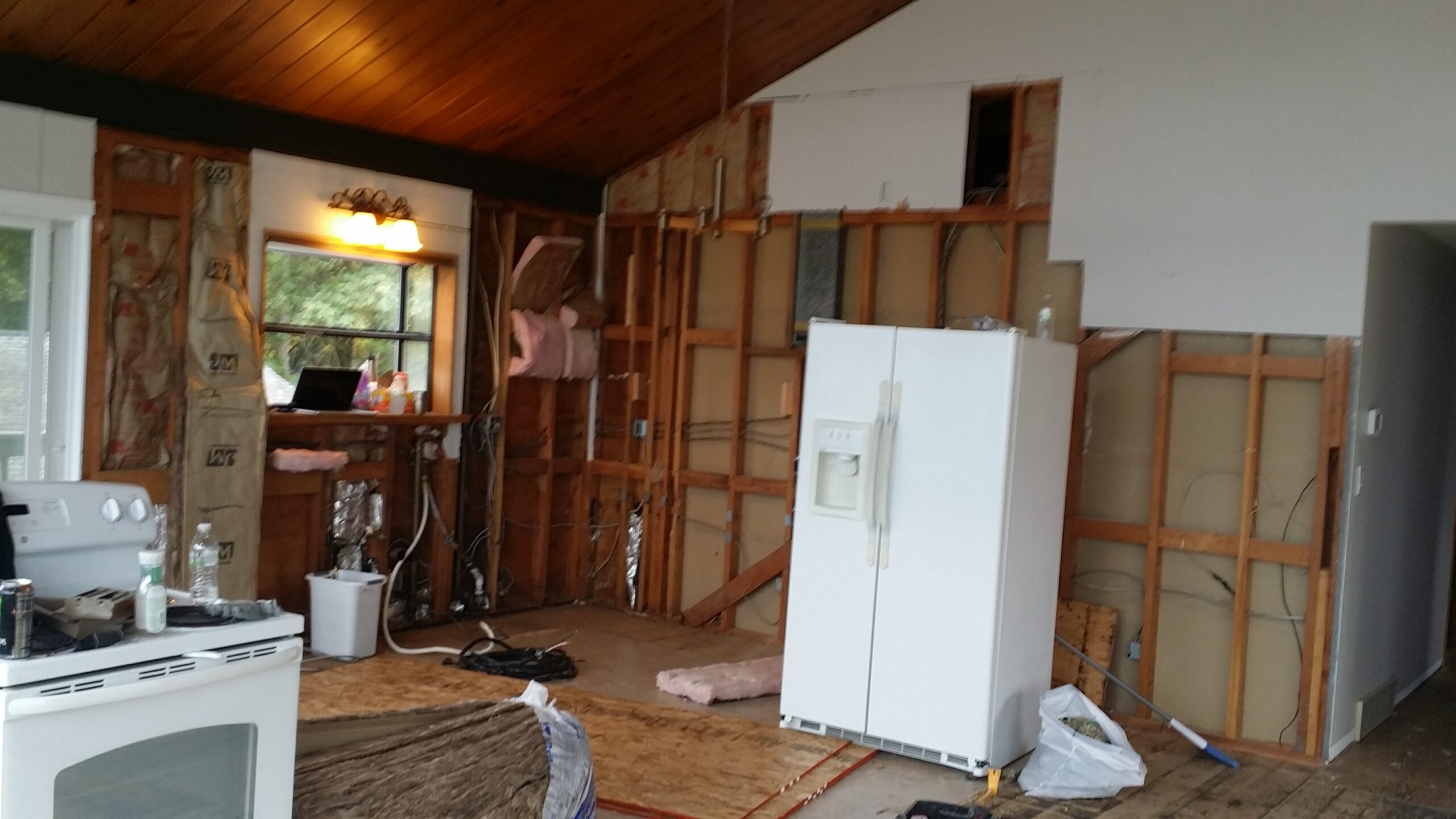
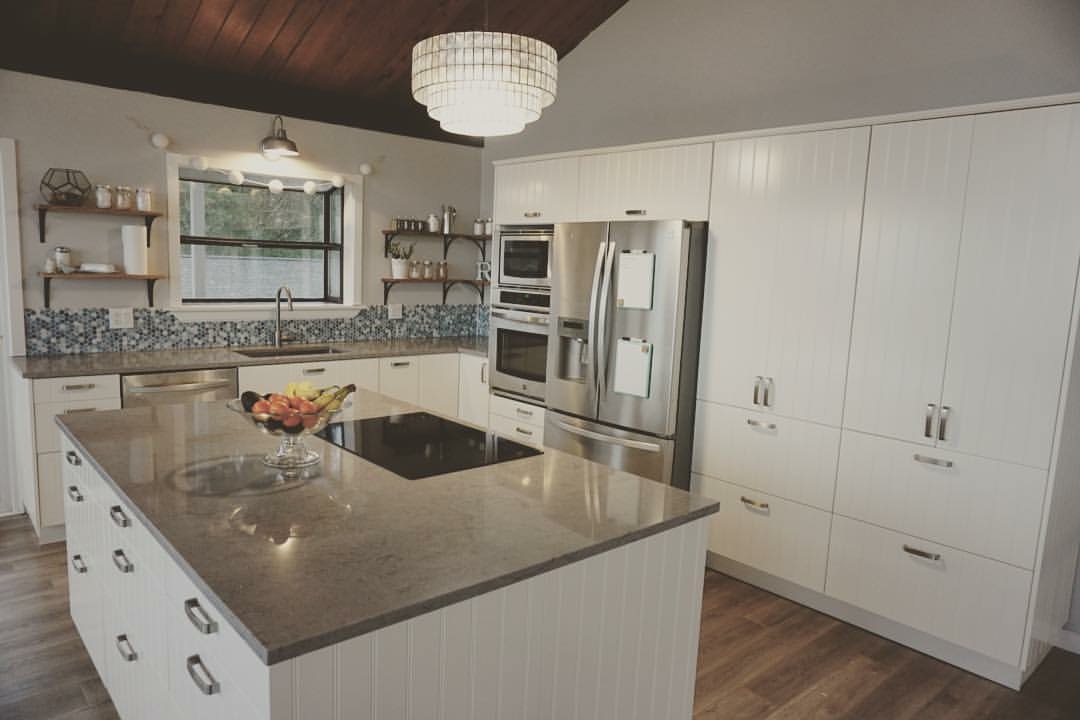
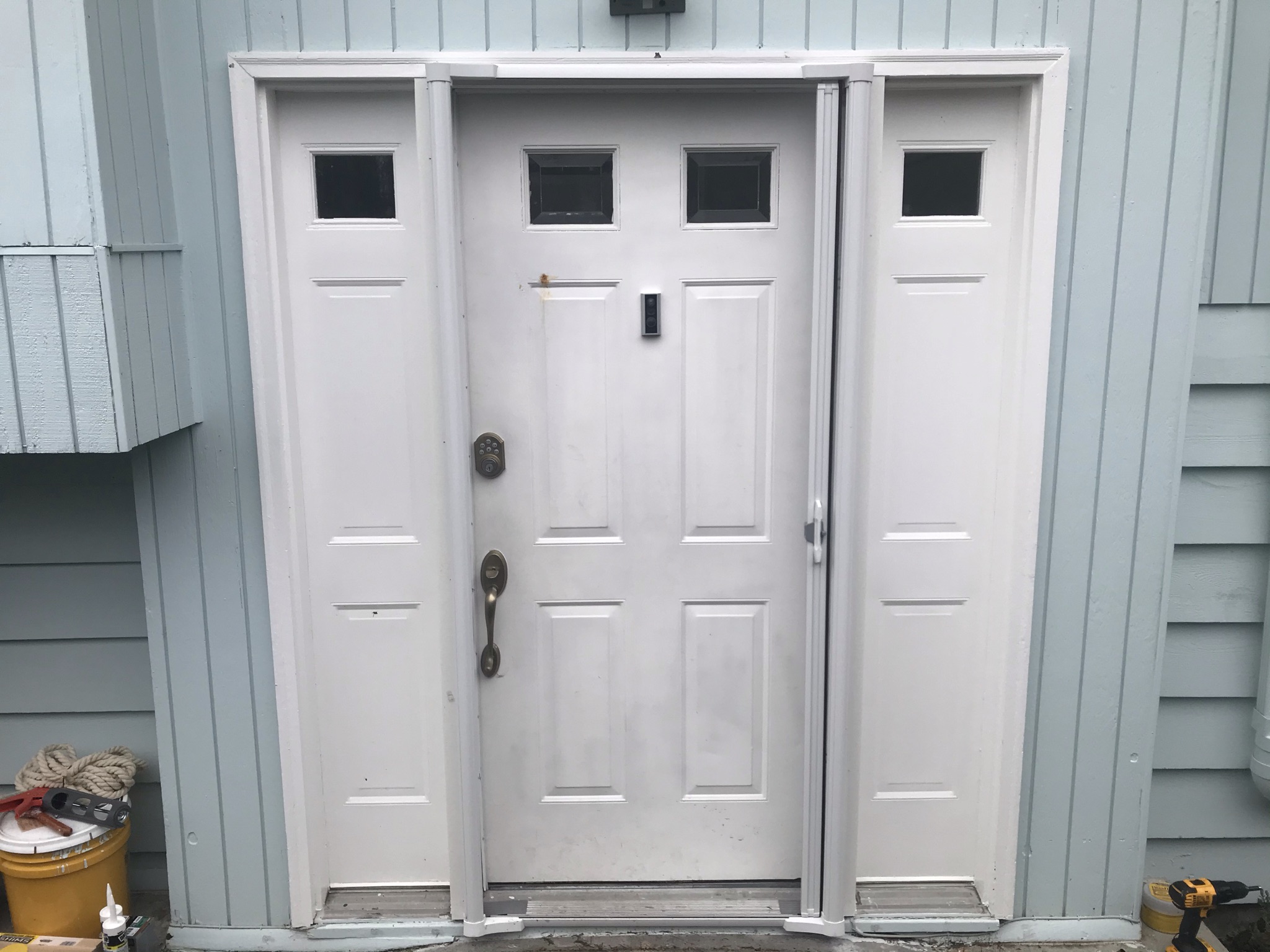
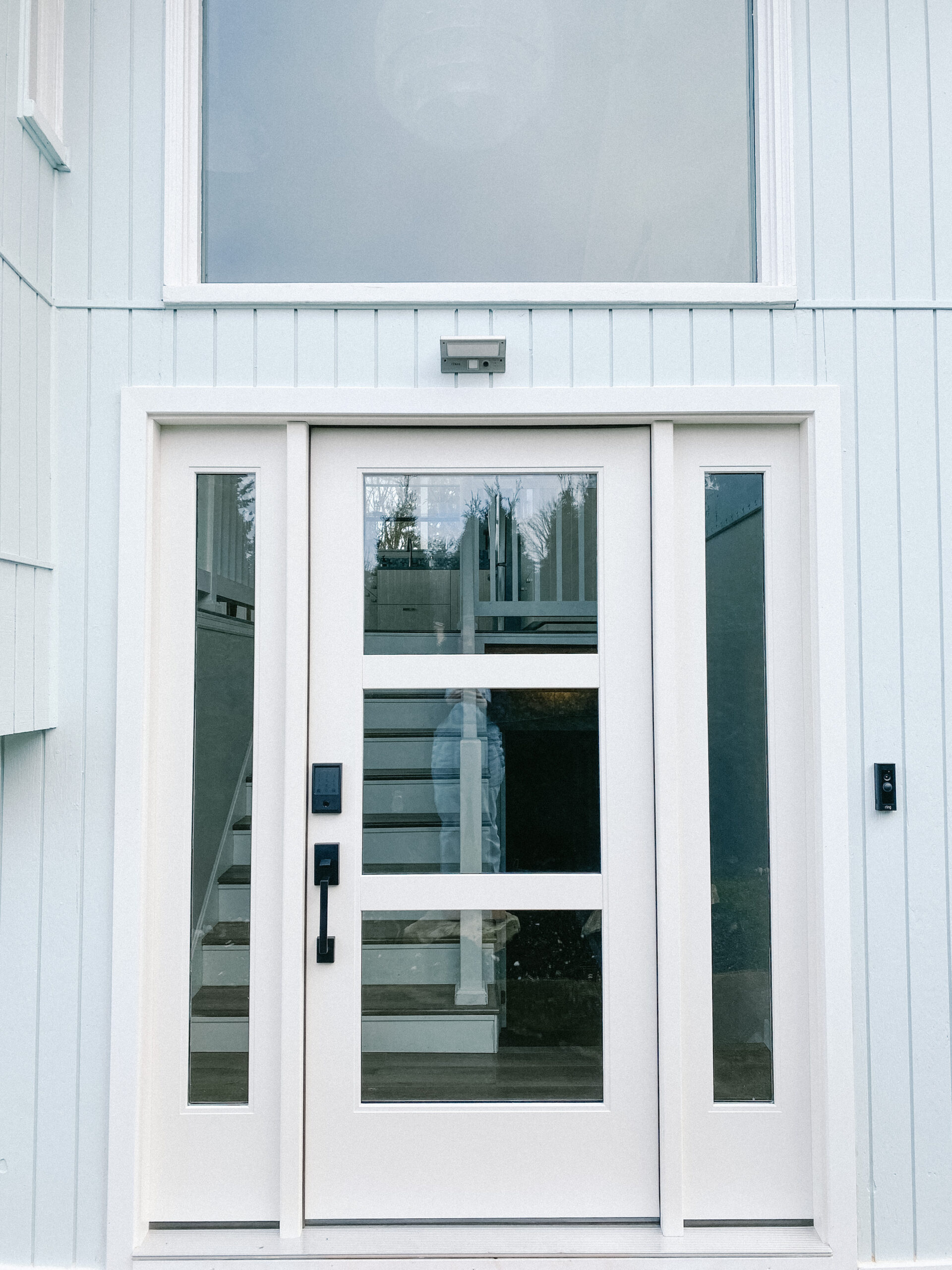
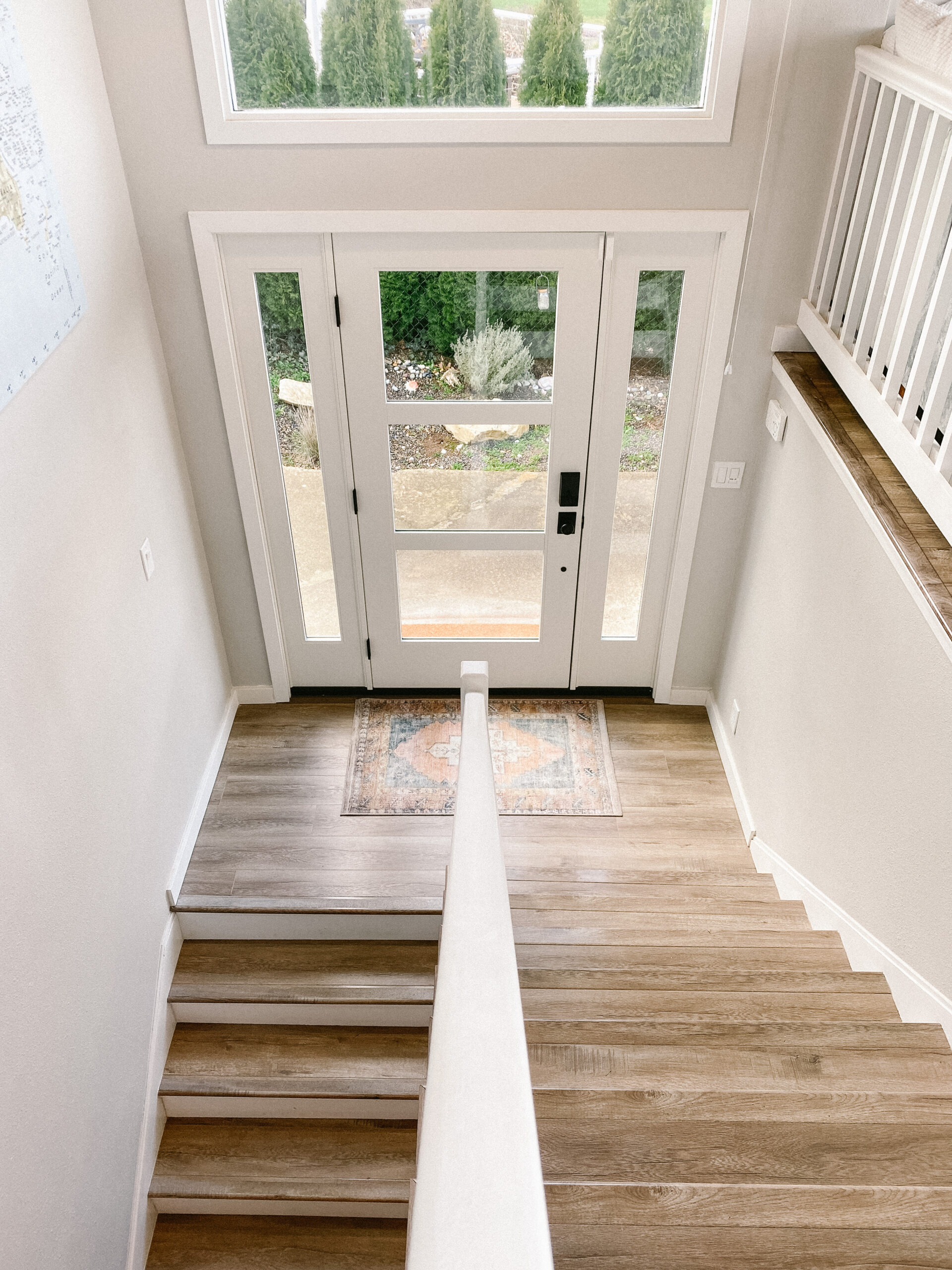
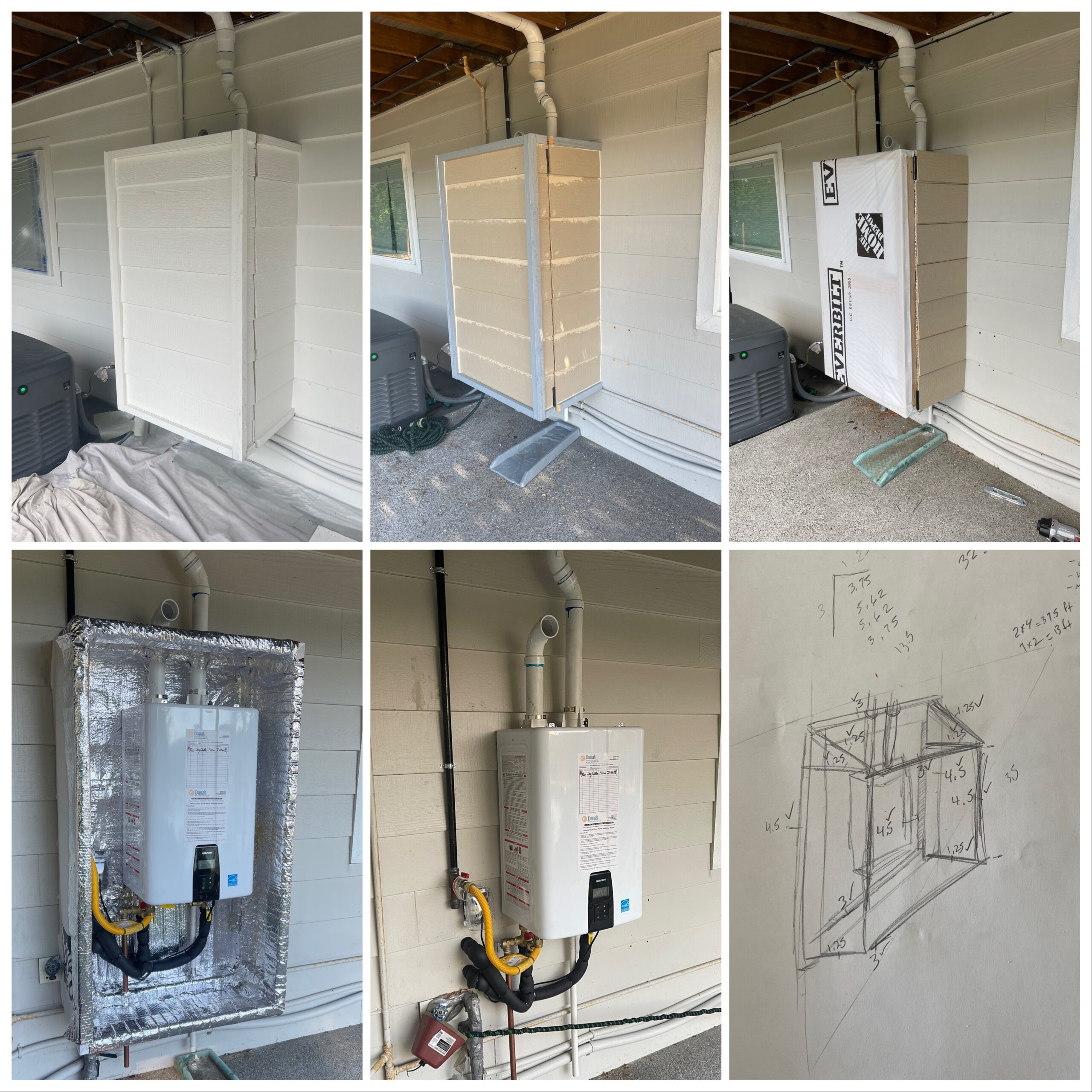
The overlap between physical and digital design is most evident in remodeling projects. This process mirrors many aspects of UX design: committing to solving a problem, exploring all possible solutions, and collaborating with specialists in unique skills.
Rather than simply hiring craftsmen to complete tasks, I often paid them to teach me their techniques. This approach meant compensating them for their knowledge rather than just their labor, which proved to be an invaluable learning experience. By listening, reflecting, practicing, and then having my work verified, I’ve acquired a diverse set of skills across various trades.
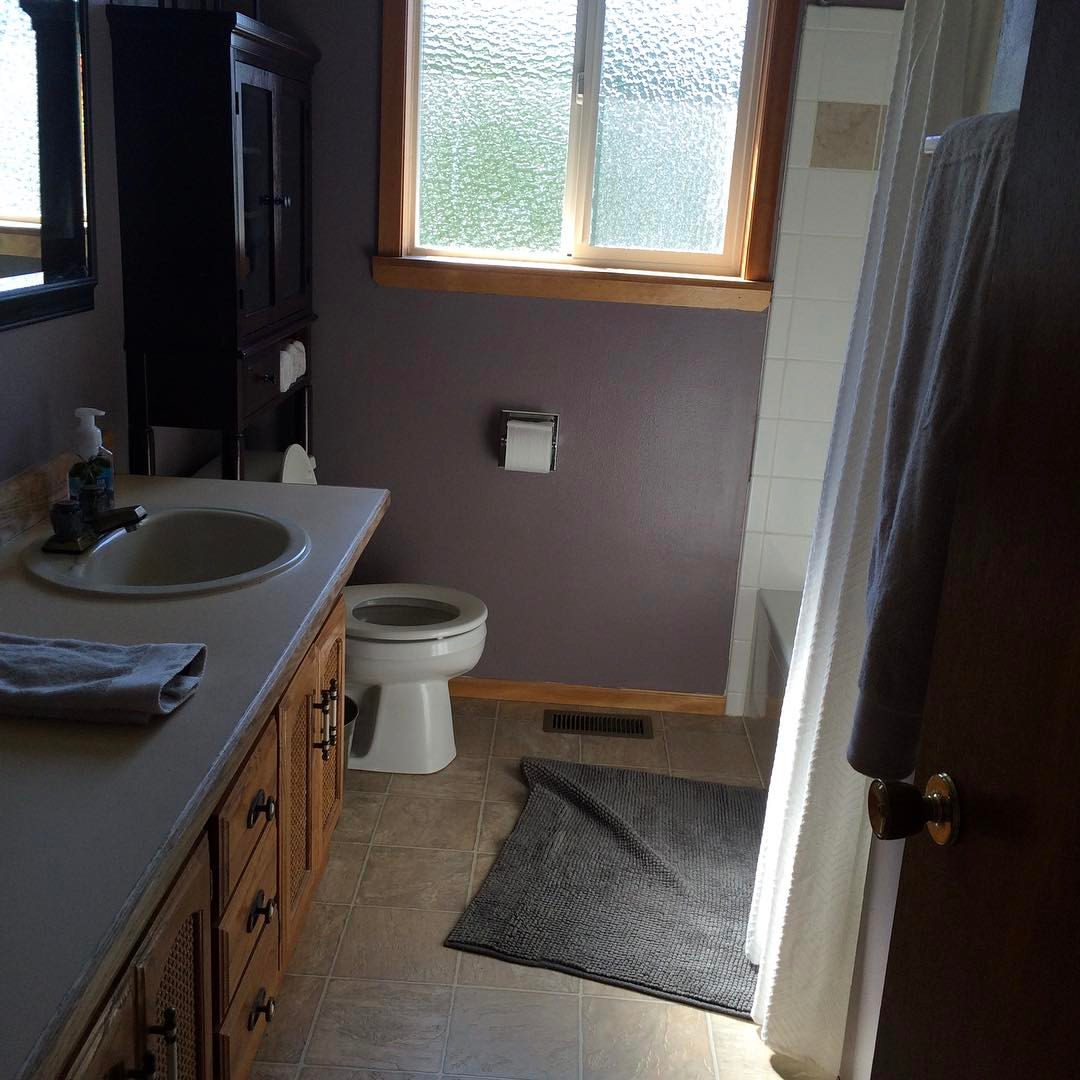
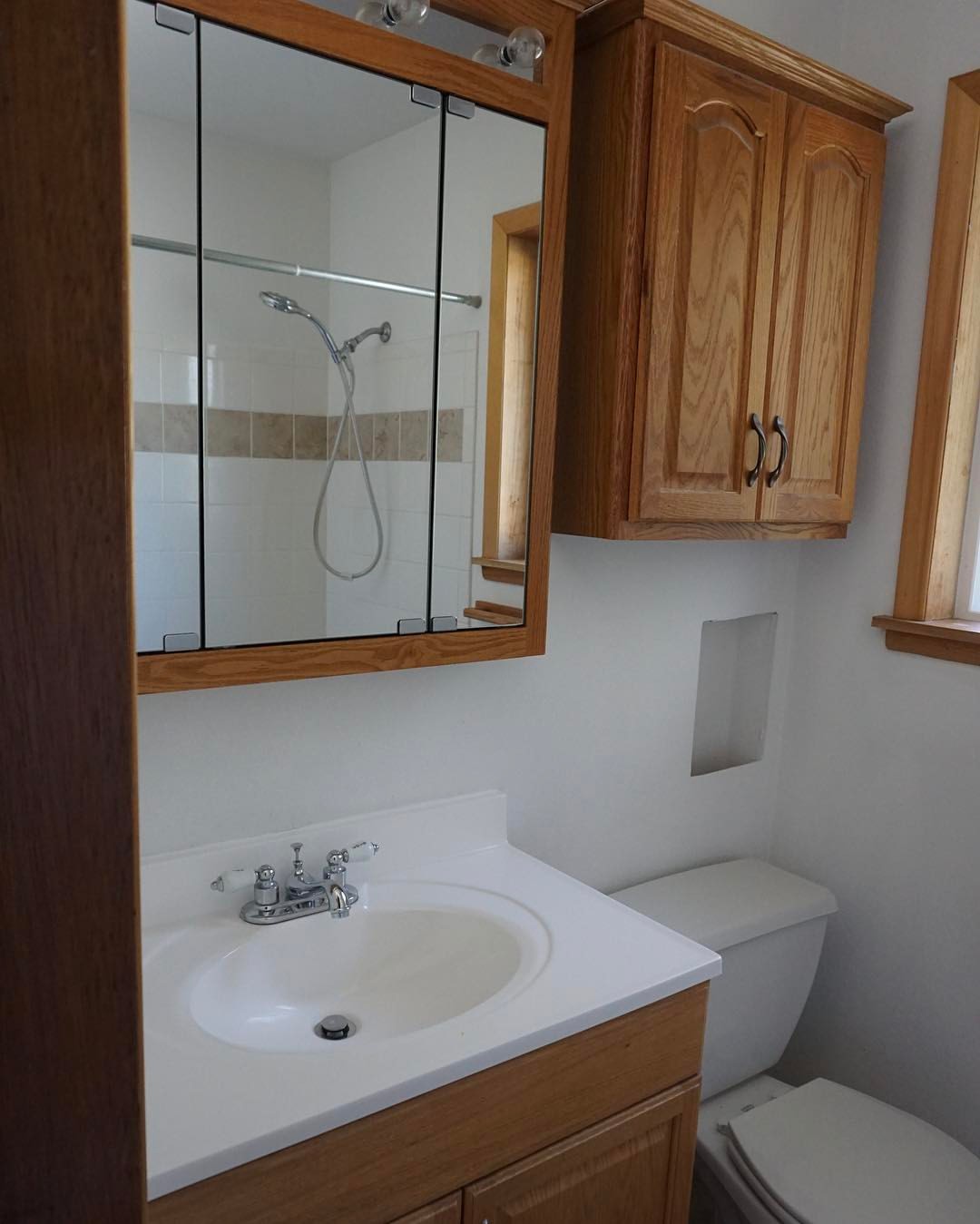
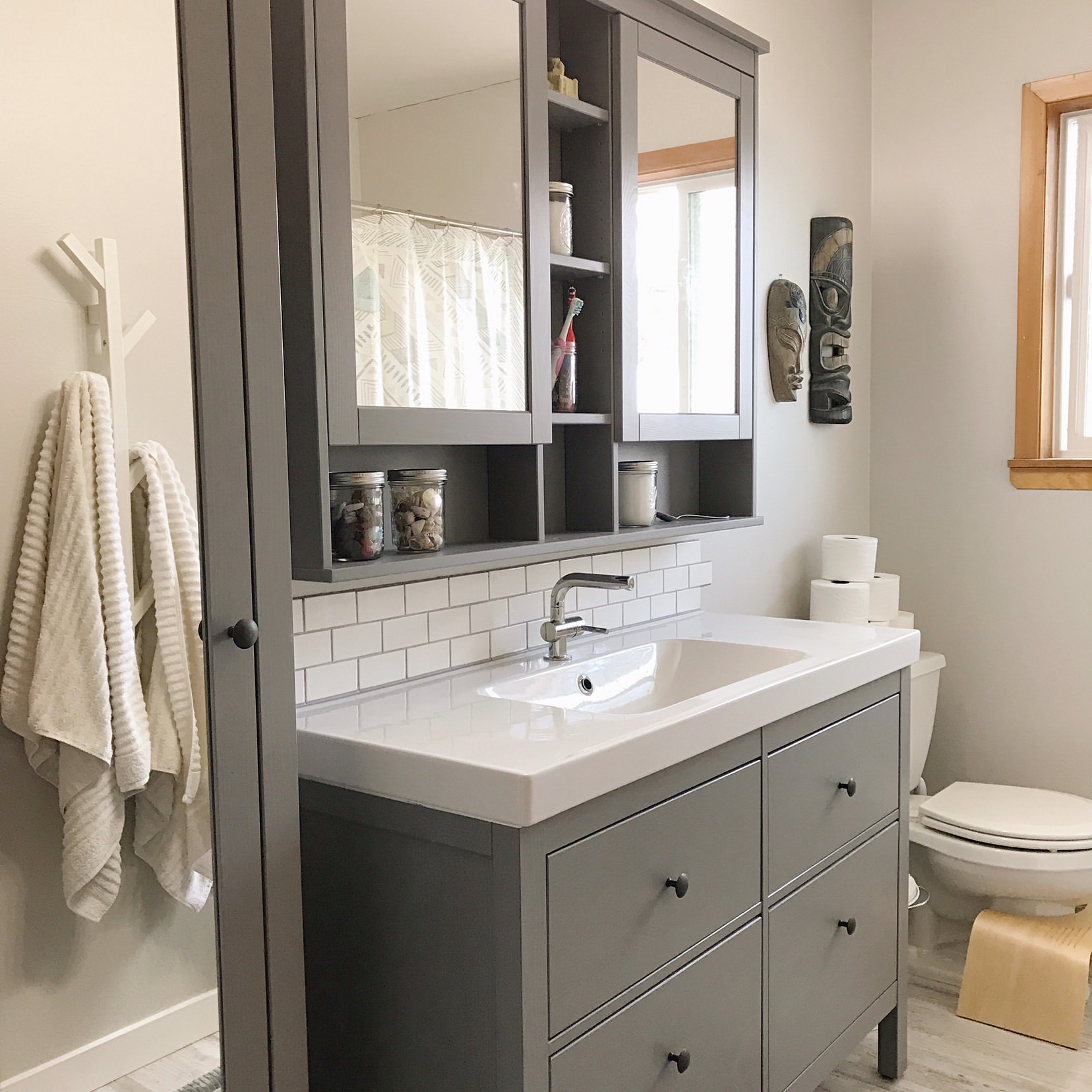
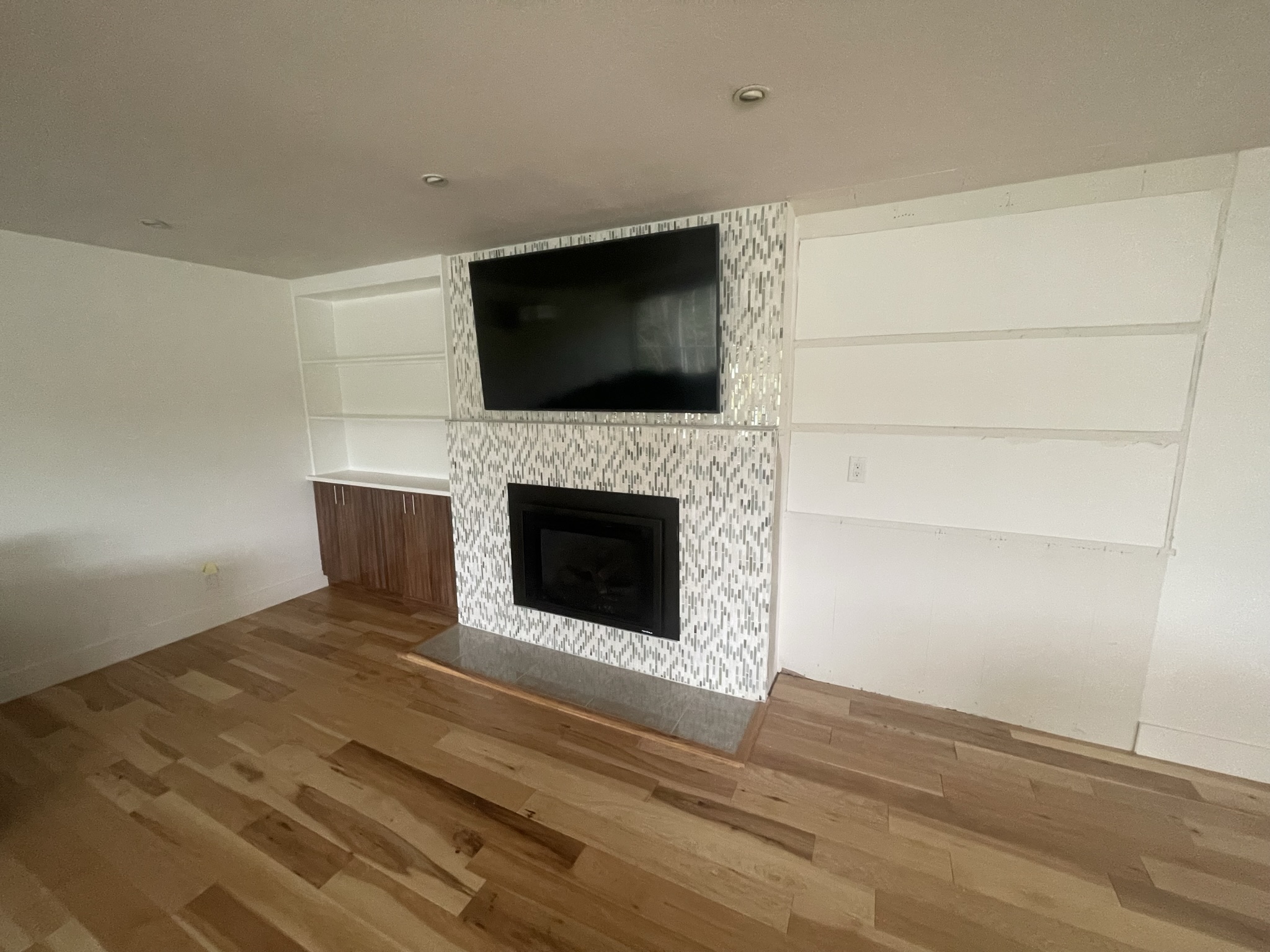
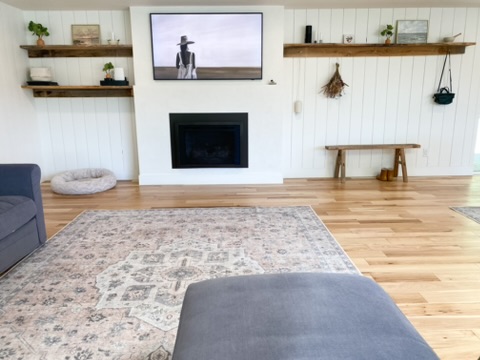
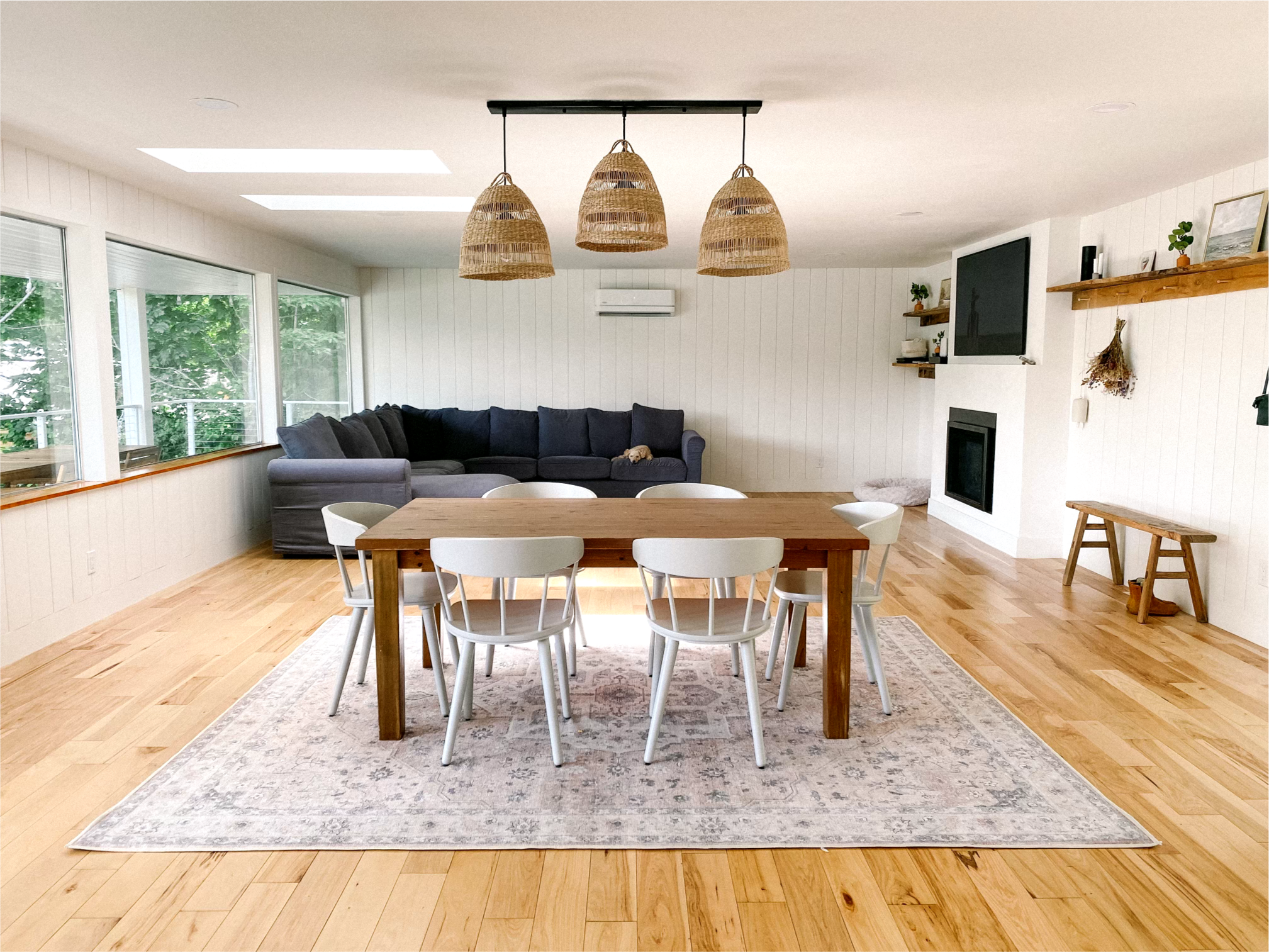
This hands-on learning approach has allowed me to tackle a wide range of projects, from building fireplaces to handling electrical and plumbing work, renovating kitchens and bathrooms, installing floors, and even understanding load-bearing capacities with framers and architects. However, I maintain a humble approach, acknowledging that I don’t know everything about these trades and trusting the expertise of professionals.
The key takeaway from this experience is that actively participating and learning from others not only broadens your skill set but also makes you more versatile and resilient when faced with challenges, especially when expert help isn’t immediately available.
This methodology of continuous learning, problem-solving, and collaboration directly translates to my approach in UX design. It has enhanced my ability to understand complex systems, communicate effectively with diverse teams, and find innovative solutions to multifaceted problems.